picture of beth

Walk the Talk with Beth: Kick the Habit and LIVE Plastic Free

19 June 2012 — Beth Terry writes the pre-eminent blog in this world on living without plastic: My Plastic-free Life. She meticulously tracks her monthly plastic consumption down to the last plastic envelope window, and blogs passionately about it. That alone is reason enough for us to love her and consider her one of our heros, but there is more. Why do we love Beth?  She’s funny, straightforward, unafraid to tell it like it is, a superb researcher and writer, an idea factory, super well-organized and systematic, action-oriented, great at making fun of herself to make a point, and, as you can tell by now…she walks her talk. I had the pleasure of meeting and getting to know her in person a few years ago, and at the time I blogged about the blast we had together at the Green Festival in San Francisco.

Now, everyone can walk Beth’s talk and change their lives and the world at the same time by living with less plastic. Her book, Plastic-Free: How I Kicked the Plastic Habit and How You Can Too, was just launched worldwide a few days ago, and it is well worth checking out. You can purchase ithere.
freezy cup product

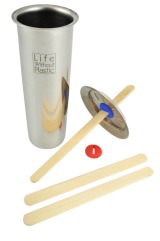
Freezycup, The Individual Stainless Steel Popsicle Mold

When we started LifeWithoutPlastic.com in 2005 and went live with our first website in 2006, we had posted on our wish list of products that we were working on a “plastic-free popsicle mold“. It took us a long time to finally come up with an ice pop mold without plastic because we kept looking for a supplier outside of China. After many disappointing attempts, we finally decided to have it made in China as long as we had assurances from the supplier that working conditions for workers were ethical and that the product would pass the CPSIA tests with flying colours. We were impressed with the manfacturer and their willingness to work with us to make this product as healthy and versatile as possible out of high quality components.

We are pleased to introduce the FreezycupTM, a plastic-free, BPA-free, freezer lollipop mold that is more than just a mold for popsicles. It can also be used as a drinking cup and your child can rest his popsicle in it when (s)he needs to do something else. We like to ensure our products have more than one life, so when your children are done with popsicles, the cups can be used as fun party glasses. 

water in glass

Plastic-Free Water Filtration with Water’s Best Friend Binchōtan Charcoal

2 November 2012 — We think water is as alive as us. We all need water to stay alive and thrive. So when the water we put into our bodies is unhealthy because it is polluted with toxins like chlorine and lead, it defeats the purpose of hydration:  to promote life.

We often get asked about simple plastic-free water filtration systems. As far as we can tell, there are not a lot out there.  Most water filtration systems use plastic casing for the filters and/or the storage vessel, or are large and expensive.  So we’ve always been on the lookout for something small, simple and inexpensive to rival the Britas®‘ of the world. We think we may have found a wonderful option.

recycling

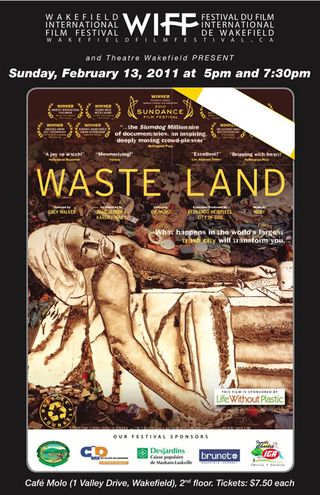
Waste Land of Wonder — the elevated art of recycling

We live in an eclectic village of community activists. The spirit of postive change is in the fresh air and in the Gatineau River water that flow through town. One example of that magic is the Wakefield International Film Festival (WIFF), the ‘little festival that thought big’, as local media have come to call it in lauding the world class quality of its programming and execution. WIFF is led by two passionate champions of documentaries and independent filmmaking, Brenda and Robert Rooney, who run the Festival with help of the dynamic and hilarious local troupe, Theatre Wakefield. It is a festival that inspires change.

We are deeply honoured to be sponsoring the showing at WIFF on Sunday, February 13, 2011 of ‘Waste Land’ – an utterly mesmerizing film about the depths and heights of life and humanity on this Earth in the presence of something we all know, though perhaps not well enough: garbage. Renowned Brazilian-born, Brooklyn-based artist Vik Muniz takes us on a journey to the outskirts of Rio de Janeiro and the world’s largest landfill, Jardim Gramacho. He finds there a thriving community of charismatic ‘catadores’ or pickers of recyclable materials – not garbage, recyclable materials. Remember that, it’s important.

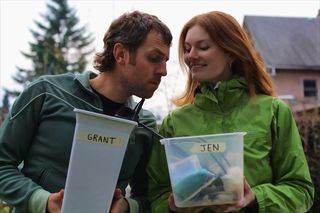
grant and jen

How clean is your bin?

September 2011 — First, an embarassing confession:  I meant to write this blogpost, er, um, about a year ago. Life happens. Here it is finally. Thankfully, it is still relevant. Correction: More relevant than ever.

Just over a year ago we had the pleasure and honour of co-sponsoring – with our friends at La Forêt andThe Black Sheep Inn – a Wakefield, Quebec screening of the funky, powerful, funny, award-winning, *important* indie documentary The Clean Bin Project. I’ll get to why it is so important a little later.

The dynamic, waste-busting, film-making duo of Vancouverites Jen and Grant embarked on a year-long project they dubbed their  “zero waste, consumer-free year”.

Their mantra:  “The goal is zero landfill waste. For one year we will not buy any material goods and will attempt to live without producing household garbage.”  


value village store

Polyester and Nylon are NOT Compostable

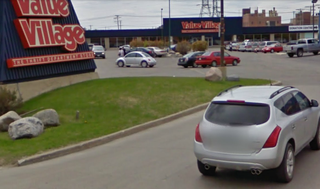
I must admit, I do not follow fashion. I am not sure what is “in” right now.  I just buy the styles, colours and fabrics I like to wear. I am kind of an unintended anti-fashionista. I almost always shop at thift stores because not only do I save a lot, but I also find the most interesting pieces of clothing. My favourite thrift store is the Value Village located on Pembina Street in Winnipeg, Manitoba, Canada, which I visit every time we travel to Winnipeg to spend time with Jay’s parents (see photo taken from Google Street View). One thing I always check when picking my clothes is the fabric label. I always want to make sure the item is made of a natural fabric. I am always astonished at the amount of synthetic fabric used in clothing.  A large majority of clothes are made of synthetic fibres which do not biodegrade, are not compostable and take a very long time to decompose according to an article published in Grist:

stainless steal container

On Khadi: Fabric of Freedom

Before I even get into khadi and why it is much more than just a silky soft, hand spun, hand woven fabric made in India, some background is in order.

I was born and raised in Canada, but my roots are part Bengali on my father’s side. Bengali people hail from Bangladesh or West Bengal, the northeast Indian state adjacent to Bangladesh. In 1947, India achieved its independence after 200 years of British colonialism and oppression. Independence came at a divisive price as India was partitioned into the dominions of India and Pakistan following violent conflict between Hindu and Muslim extremists.  At that time, what is now Bangladesh became East Pakistan. This is where my father grew up until adolescence and where our family had lived for ages. Overnight there was a mass migration of Muslims out of India into Pakistan, and of Hindus out of Pakistan into India.  Our family was part of that teeming human flow moving from East Pakistan into West Bengal. Generations of family heritage were left behind overnight in exchange for survival. (Map Image: ©National Maritime Museum, London)

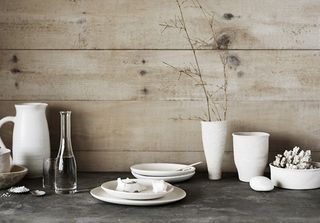
dishes and pots

How about some sustainable Apartment Therapy?

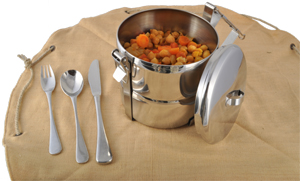
5 November 2010 — Their motto is “saving the world, one room at a time” and they are one of THE go to places for all things design. Apartment Therapy is a juggernaut in the online design world because they make design easy and accessible. And they do it with flair. Their mission is to help people “make their homes more beautiful, organized and healthy by connecting them to a wealth of resources, ideas and community online.” And this while trying to reduce people’s reliance on stuff.

So we are pleased as punch to be included on Apartment Therapy’s list of 25 Sustainable Servingware & Tableware Sources just released yesterday for the holiday season.  Their eco-friendly list is divided into three meaningful parts: 1) dishes made from mindful materials (we’re in here!), 2) servingware that’s fair trade, and 3) vintage tabletop ripe for re-use. (Image credit: Apartment Therapy)

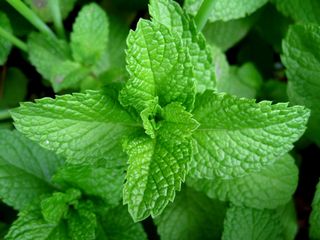
mint leaf

Mint leaf removal duty

20 November 2010 —  This post may not initially appear to have anything to do with plastic. Just wait. Read on to the end.

I love mint tea. It’s a primal sort of thing. There is something about the smell of fresh whole peppermint that puts me in another state of being – it’s such an ethereal, magical fragrance. For me it’s tinged with comfy homey memories of Mom, cozy warmth, an Olbas oil neck massage, summer, deep velvety green, hot mint tea by the fire on a snowy winter day.

Right now I’m on peppermint leaf removal duty. This is not an arduous task. It is a supreme pleasure. My fingers are perfumed by the leaves. We share a garden with our neighbour Peter, and this mint comes from there. He’s a master gardener and master accordian player. Tons of talent, that guy; I learn a lot from him. I harvested it a few weeks ago and it has been drying on our basement radiant floor ever since. So tonight I decided to take all the dry leaves off the stems to prepare my winter stock of peppermint for tea. It’s slow going because there is a lot. I drink a lot of mint tea. When I’m done I’ll have a couple of large jars full of delectable mint leaves, just yearning to impart their magic through a boiling water bath for a few minutes. Then into my body to shimmer my soul.


green keys tour poster

THE GREEN KEYS TOUR – Visionary Eco-Pianist FRANK HORVAT Live

10 April 2010 — Life Without Plastic is thrilled to be a sponsor for virtuoso eco-musician Frank Horvat‘s Green Keys Tourof solo piano performances across Canada. And what makes an ‘eco-musician’, you ask? According to Frank it means the musician is carrying on their professional activities in a sustainable way and minimizing their carbon footprint. Take a look at all the ways Frank is doing this on The Green(ing) Musician page of his website. The tour will raise funds for the Earth and promote Frank’s latest CD – A Little Dark Music – of original piano compositions, which explore “real world themes like the environment, poverty and Sept 11. Despite the somewhat sombre and serious subject matter, A Little Dark Music attempts to bring peace, joy and contentment to its listeners.